
Japanese encephalitis (JE) is an infection that affects the central nervous system (the brain and the spinal cord) and, in some cases, leads to inflammation of the brain. Encephalitis means inflammation (swelling) of the brain.
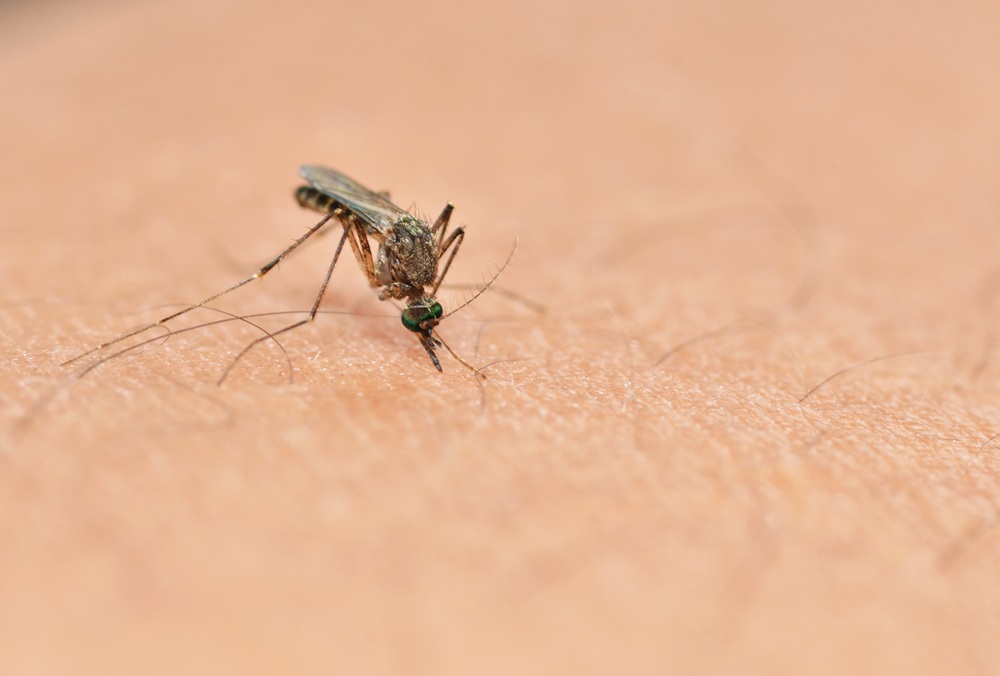
JE is caused by a virus of the same name that is spread by certain types of mosquitoes, mostly a genus called Culex. The virus is naturally found in waterbirds and is endemic in parts of Asia and the Western Pacific. It spreads to other animals, in particular pigs which develop very high levels of virus in their blood.
JEV was rare in mainland Australia until 2021-2022 when outbreaks occurred in commercial piggeries in Victoria, NSW and Queensland. Since then, it has been regularly detected in mosquito surveillance programs and there have been further outbreaks in commercial piggeries. More than 50 human cases and seven deaths have been reported in Australia.

How do you get infected?
To be infected you must be bitten by a mosquito carrying the virus. Unlike pigs and waterbirds, humans, horses, cattle and most other animals are considered ‘dead-end hosts’.
This means that while they can become ill, the level of virus in their blood is too low to infect more mosquitoes, and they cannot pass it on and continue the infection cycle. Pigs develop very high levels of virus in their blood. There are often large numbers of mosquitoes around piggeries.
Most people who have been infected by Japanese encephalitis virus (JEV) show no symptoms. For those who do, it can take between five and 15 days for the first symptoms to appear after being bitten by an infected mosquito. This usually begins with a general fever lasting several days, tiredness, sore throat (flu-like symptoms), gastrointestinal symptoms and sometimes, a rash.
Most JEV infections show no symptoms or cause a mild illness but an estimated one in 250 people will suffer a severe case and this can lead to inflammation of the brain called encephalitis. The onset of neurological symptoms may be sudden and worsen quickly.
Symptoms include headache, neck stiffness, disorientation, agitation, drowsiness and coma. Seizures often occur in children but not in adults. About half of those who survive will have life-long neurological problems, including physical, psychological and cognitive impairments.
No specific drug treatments have been demonstrated to work for JE, and management is focused on alleviating symptoms.
JE has been a nationally notifiable disease in Australia since 2001, and all confirmed cases must be notified to the relevant health authority. The National Notifiable Diseases Surveillance System (NNDSS) collects information and implements control measures (vaccination, isolation, mosquito control). This is important because it allows Australia to respond quickly to stop wider spread.
Vaccination against JEV is important for the prevention of illness and two effective JEV vaccines are available in Australia. Vaccination is especially important for people travelling to or living in areas where JEV has recently been detected and anyone living near or working with pigs, especially if they are exposed to mosquitos.
Testing
Testing for JE is not routinely done for everyone who has more general symptoms such as fever and sore throat (flu-like symptoms) unless they are considered at high risk. You will be considered at greater risk if you live or work near piggeries, work outdoors in a rural and flood-prone area, have travelled to a high-risk area, have had exposure to mosquitoes and have not been vaccinated.
If you have symptoms of brain infection and have possibly been exposed to JEV you will usually be tested. As symptoms can be very similar to other infections, you will likely have several tests performed looking for other causes also. This may include:
Two types of tests are used to diagnose JE, these are:
Serology tests (indirect testing)
These are tests that look for the antibodies your immune system makes to fight the virus. It takes time after you are infected before antibodies develop and you show a positive result.
These tests can be done on cerebrospinal fluid (CSF – the fluid that sits around your spine and brain) or other samples (whole blood, serum). Antibodies in the CSF strongly supports brain infection.

PCR tests (direct testing)
PCR is a test that looks directly for the genetic material (RNA) of the virus. It can be done on CSF or other samples (blood or urine). This test is most useful early in the illness after you have first been infected and is often negative by the time any neurological symptoms appear.
Test limitations
RT-PCR testing has limitations because humans typically have low amounts of the virus.
The detection of anti-JEV antibodies in CSF is considered to be the most accurate test available for confirming an infection. A diagnosis of JE can also be confirmed through repeat testing that shows antibody levels are increasing over time.
JEV is a flavivirus and belongs to the same group as dengue virus, Murray Valley encephalitis virus, Kunjin virus and Zika virus. The interpretation of antibody testing is complicated by the fact that antibodies made against one flavivirus can also react with other flaviviruses in tests. This means testing for other flaviviruses may need to be performed at the same time.
Sample
Cerebrospinal fluid (CSF), blood or urine.
Any preparation?
None.
Your doctor will interpret your results guided by a combination of your symptoms, exposure risk and the current public health advice.
Anti-JEV antibodies can mean a recent infection, a past infection, vaccination or exposure to a related virus.
| Antibody results | |
| IgM (recent infection marker) | Reported as:
|
| IgG (past or recent infection marker) | Reported as:
|
Accumulative reporting - testing is done regularly over time to see if antibodies are increasing or decreasing. In some laboratories this may be reported as: “Four-fold rise in IgG titre (e.g. 1:40 to 1:160 and suggests recent infection”. A titre tells you how concentrated the antibody is. The lab measures how far the blood can be diluted and still show a positive reaction. The result represents the amount of antibodies seen in the test sample, with higher titres indicating more antibodies. | |
| RT-PCR results | |
| RT-PCR detects viral genetic material. | Reported as:
|
Laboratory reports usually include a comment such as:
Confirmatory testing
A positive serology result does not always automatically prove JE — particularly in someone previously infected or vaccinated against a flavivirus. For that reason, laboratories may perform confirmatory testing. In people who have been vaccinated, confirmatory testing becomes especially important.
Vaccination stimulates antibody production. After vaccination:
If someone who was recently vaccinated develops encephalitis, interpreting a positive IgM becomes more complicated. Labs then consider:
The choice of tests your doctor makes will be based on your medical history and symptoms. It is important that you tell them everything you think might help.
You play a central role in making sure your test results are accurate. Do everything you can to make sure the information you provide is correct and follow instructions closely.
Talk to your doctor about any medications you are taking. Find out if you need to fast or stop any particular foods or supplements. These may affect your results. Ask:
Pathology and diagnostic imaging reports can be added to your My Health Record. You and your healthcare provider can now access your results whenever and wherever needed.
Get further trustworthy health information and advice from healthdirect.